Fleets challenge OTA updates that lower EV performance
Fleet managers in the UK have questioned the over-the-air (OTA) updates of electric cars and vans that have reduced the capabilities of the vehicles.
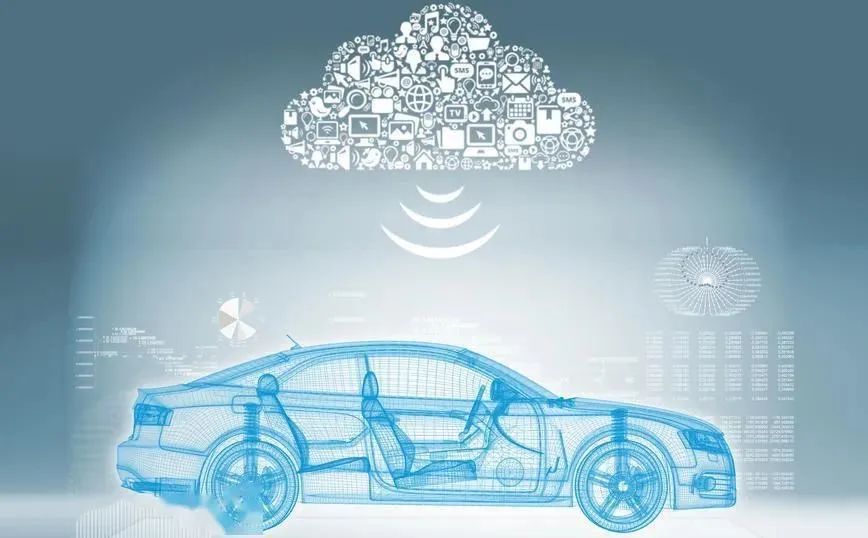
The Megafleets Committee of the Association of Fleet Professionals said manufacturers were changing the performance of company cars and vans without informing fleet operators.
Paul Hollick, AFP chair, said: “There are, for example, reported cases where OTA updates have slowed the charging speeds of electric vehicles (EVs), sometimes quite substantially, and this obviously has a direct impact on their operational potential. If a fleet manager has allocated 30 mins to charge a van midway through a carefully planned route and it suddenly takes 45 minutes instead, that has cost and service implications.”
More information required
The AFP acknowledges that OEMs might make OTA changes to vehicles for important reasons, such as safety or improved battery life. But it argues that lowering the capabilities of a vehicle after a fleet has decided to lease or buy it does not seem right and could even represent a breach of contract.
Furthermore, OEMs are making these changes “usually without warning, consultation or explanation. That is concerning and needs to change,” said Hollick.
He called for limits on the number and extent of changes that manufacturers can make, as well as more information from the OEMs on why they are making the updates.

App controls
The AFP has also called on vehicle manufacturers to give fleet managers greater control of vehicle apps, and especially the ability to change access rights.
Fleets frequently need to give third party agency drivers access to vehicle apps for basic remote car and van functions. But when the driver no longer works for the fleet, it is difficult or even impossible to remove their access to the app, and consequently to the vehicle. Apps tend to be designed on a one user per vehicle basis, but that’s not how fleets tend to work, particularly van operators.
“Also, manufacturers often carry out updates to apps that alter their capabilities in a similar fashion to OTA software changes, and do not consult with the fleets who are their largest users,” said Hollick. “Our members feel, at the very least, they need to be kept in the loop when changes are made and given the opportunity to make any concerns known.”
Latest