More home EV charger sharing encouraged by new campaign
Home EV charger sharing can help fill infrastructure gaps in UK neighbourhoods, according to Zemo Partnership.
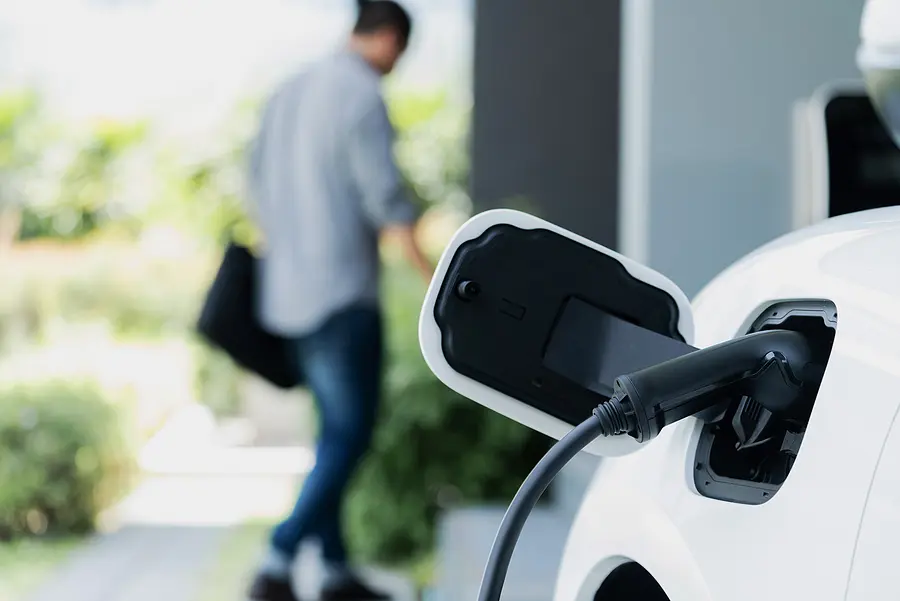
The organisation – formerly the Low Carbon Vehicle Partnership – said that people with home chargers were able to provide affordable local charging for neighbours without off-street parking.
Available via regulated apps, charger sharing gives drivers without home charging a potentially cheaper alternative to public chargers, while those with home chargers are able to make extra money.
Zemo Partnership said more than nine million UK households lacked straightforward access to home charging because they had no driveway, rented their homes or faces other access barriers.
Zemo Partnership said it wanted to raise awareness of home charger sharing, with support from organisations including The AA, Corpay, EVA England and Zapmap.
Jonathan Murray, MD of Zemo Partnership said: “Access to convenient home charging is one of the biggest advantages for people who can install a charger – and one of the biggest barriers for those who can’t.
“If we are serious about making EV ownership accessible to more people, we need to make better use of the charging capacity we already have.
“Sharing existing home chargepoints is a simple, low-cost approach that can make local charging more accessible while giving hosts a worthwhile return. It can complement the continued roll-out of public charging, rather than replace it.”
Charger sharing suggested for business drivers
Tom Rowlands, MD for global EV solutions at Corpay, including fuel payment company Allstar, said: “At Allstar, our vision is to help make the transition to electric vehicles practical and accessible for more businesses and drivers. That means supporting EV adoption with charging solutions that work around different operational needs.
“For our customers, near-home charging doesn’t just mean lower costs, it means convenient charging for drivers and greater confidence that EVs can fit seamlessly into everyday operations.
“By giving businesses and their drivers more choice over where they charge, we can help remove some of the practical barriers to making the switch to electric.”
Latest