Germany extends ownership and tax advantages of EVs
Germany’s Bundestag has adopted an amendment to extend the country’s Electromobility Act (Elektromobilitätsgesetz), which supports electric vehicles.
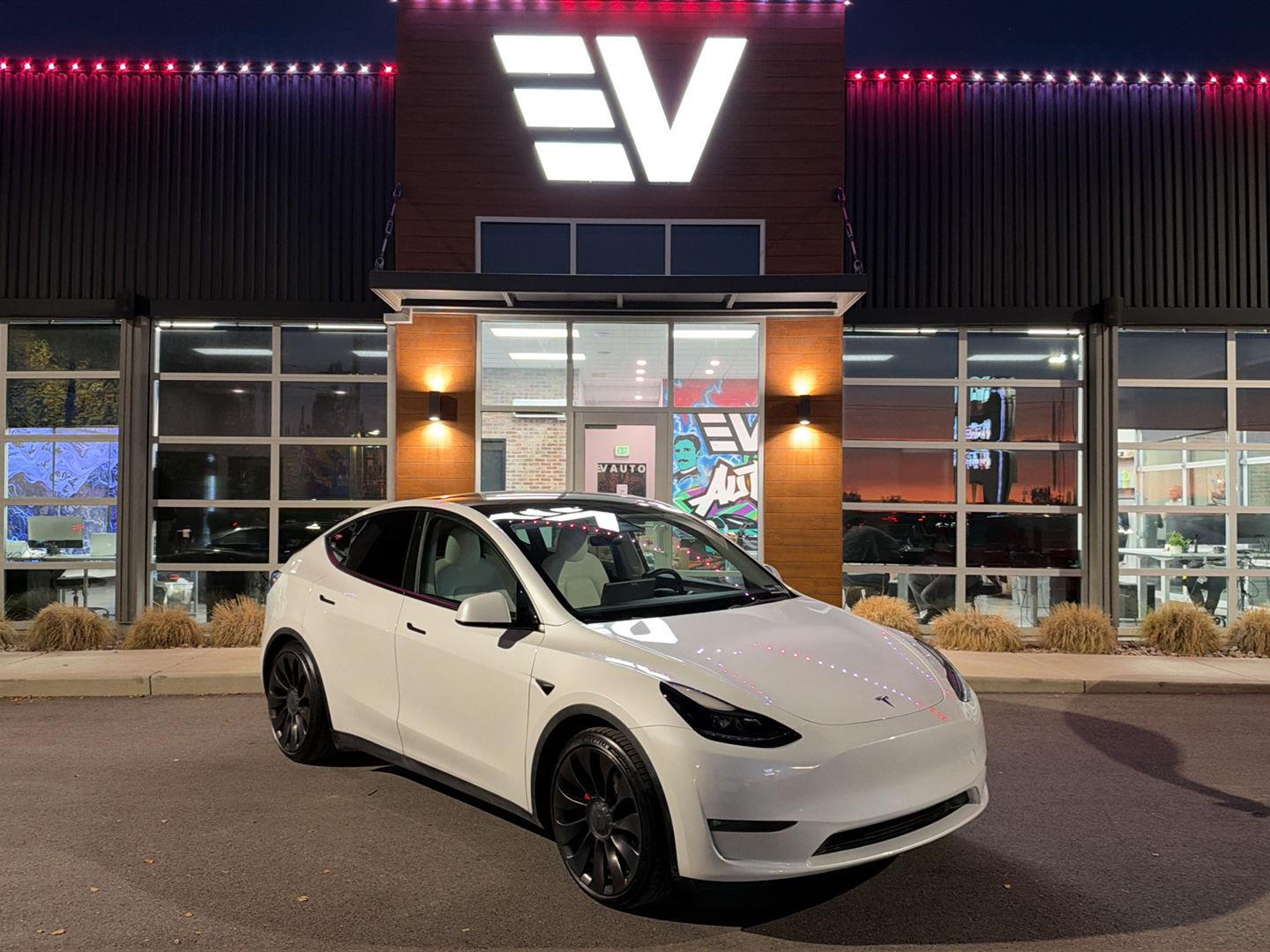
The Act gives municipalities the right to provide special advantages to drivers of electric cars, which include battery-electric vehicles, plug-in hybrids, vehicles with range extenders, and hydrogen-powered fuel cell vehicles.
The benefits include free parking, especially at parking bays where there is an EV charger, and permission to use bus lanes. The amended Act also allows for free resident parking for electric cars.
The Electromobility Act originally came into force in June 2015, and is due to expire at the end of 2026.
However, the federal government wants municipalities to have the freedom to continue these advantages in a bid to support and promote electric car sales. It said zero emission cars contribute to reducing health, climate- and environmentally harmful exhaust gases.
Tax advantages
Moreover, the government has decided to extend the motor vehicle tax exemption for pure electric vehicles until the end of 2030, saving between €80 and €350 per year (ICE vehicles are taxed on fuel type, engine size and CO2 emissions).
This exemption from the annual tax will last until the end of 2035, after which BEVs will still enjoy a 50% lower rate.
The continuation of these advantages complements other measures designed to stimulate demand for BEVs, including accelerated depreciation rules and supportive company car tax rates.
€3bn for private car buyers
Private car buyers qualify for a subsidy of between €1,500 and €6,000 when they buy a new BEV, with the sum depending on the vehicle, household income and family size. BEVs qualify for twice as much funding as PHEVs (€3,000 compared to €1,500) The government has allocated sufficient funds (€3 billion) to subsidise about 800,000 BEVs.
Latest