Fleets ask OEMs for faster eLCV charging speeds
Recognizing the growing demands of their operations, fleet operators are increasingly urging light commercial vehicle manufacturers to prioritize and implement significantly faster charging speeds specifically designed for electric vans. These calls to action reflect a pressing need to minimize downtime and maximize the efficiency of electric van fleets, as faster charging capabilities would allow for quicker turnaround times and increased vehicle utilization. The current charging infrastructure and vehicle technology often present limitations, leading to extended periods required for recharging, which can disrupt delivery schedules and impact overall productivity. Therefore, fleet operators emphasize that advancements in charging speeds are crucial for the widespread adoption and seamless integration of electric vans into their daily operations, ultimately contributing to a more sustainable and efficient transportation ecosystem.
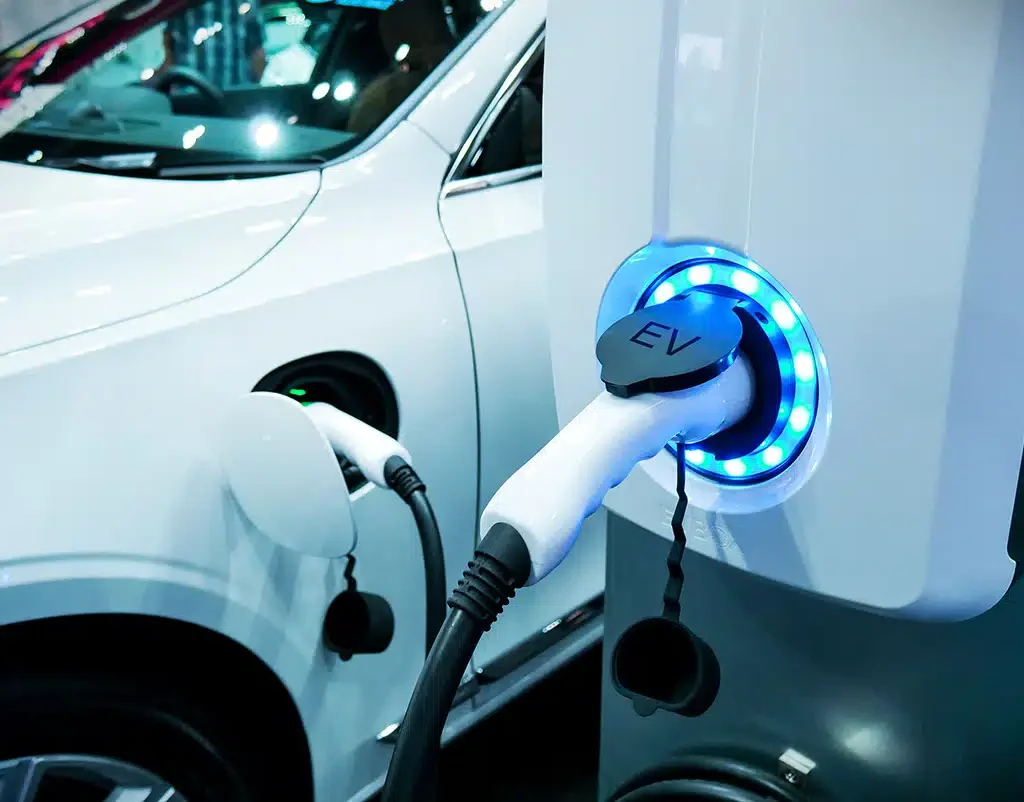
Fleet operators have called on light commercial vehicle manufacturers to introduce faster charging speeds for electric vans.
Downtime while vehicles charge during the working day damages business productivity and is one of the principal barriers to eLCV adoption.
Paul Holland, Managing Director for UK/ANZ Fleet at Corpay, said: “If you’re a small business, particularly running vans, EVs just aren’t practical. The ranges are too short, charging takes too long, and when you’re time-poor, such as a builder, a plumber, a delivery driver, then every wasted minute is lost income.”
False economy
But van manufacturers have avoided installing the fastest charging speed technologies in electric vans in an effort to keep prices down.
Paul Hollick, chair of the Association of Fleet Professionals, said: “Having a driver sitting around for an hour while their van charges is expensive. If vans were capable of faster charging then, to a significant extent, other issues affecting them tend to become more manageable. For example, the negative impact of higher payloads on range becomes less important if you can recharge to 80% every 125 miles in 15 minutes.”
Most new eLCVs take at least 40 minutes to recharge their batteries from 10-80%, and are typically slower in real world conditions.
Cars charge faster than vans
Electric car manufacturers now appear to be focusing more on charging speeds than battery range as they develop 800V architectures. Mainstream cars can already reach a 10-80% charge in under 20 mins, achieving speeds of 320kwh+ at ultra-rapid charge points, and future battery technologies promise even faster speeds. BYD’s megawatt Flash Charging Battery is capable of adding 2 kilometres every second or 400km in five minutes, equivalent to the time it takes to refuel with petrol or diesel.
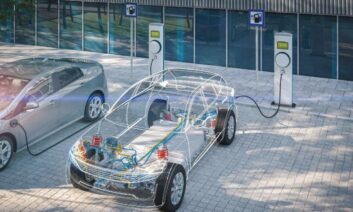
Most van manufacturers have deployed slower 400V architecture in their eLCVs, although Renault’s new Trafic E-Tech, Estafette E-Tech, and Goelette E-Tech models (pictured top) will feature 800V systems capable of recharging from 15% to 80% in under 20 minutes at a DC fast-charging point. Mercedes-Benz Vans’ new all-electric Van Electric Architecture (VAN.EA) models, due to start arriving in 2026, will also feature an 800V DC charging system.
Fleets willing to pay more
“The message that we are hearing from our members is that they would be willing to pay more for faster charging capacity,” said Hollick. “Over a typical six-year fleet lifecycle, the additional cost of a rapid charging van would be more than outweighed by increasing the availability of the driver. There is no doubt that available van charging speeds now lag far behind typical electric cars and we believe that many more fleet operators would be won over to electric vans if an 80% charge was achievable in 10-15 minutes.”
Latest